
Managing neuropathy is rarely about a single solution; it’s about building a comprehensive care plan that works for you. If you’re already working with doctors and specialists, you might wonder how something like acupuncture fits in. The truth is, it often works best as part of an integrated approach. It can complement your current treatments for conditions like fibromyalgia or post-stroke symptoms by offering a non-pharmaceutical way to manage pain and improve function. The key is ensuring all your providers are on the same page. This article will explore how acupuncture neuropathy therapy can be safely combined with other treatments and why coordinated care is so important for achieving the best possible results.
Key Takeaways
- It addresses nerve pain at the source: Acupuncture does more than just mask symptoms; it improves blood flow and nerve function while calming inflammation. This science-backed approach helps your body's nerves heal and communicate more effectively.
- Treatment is safe and surprisingly comfortable: Forget any fear of needles. Acupuncture uses incredibly fine needles, and the process is typically painless and relaxing. The most important step is to choose a licensed professional to ensure a safe experience.
- Integrate it into your overall care plan: Acupuncture is most effective when it works alongside your current treatments. Always talk to your doctor first, and make sure your acupuncturist understands your health history to create a truly comprehensive approach to your well-being.
What Is Neuropathy?
If you’ve ever felt strange, unexplained sensations in your hands or feet, you might be dealing with neuropathy. Simply put, neuropathy is damage to your peripheral nerves—the vast communication network that sends signals between your brain and spinal cord and the rest of your body. When these nerves are damaged, the signals get scrambled. This can lead to pain, weakness, and numbness, most commonly in the hands and feet.
Many people describe the feeling as stepping on pins and needles or even ground-up glass. It’s a condition that can significantly impact your daily life, making simple tasks feel challenging. Understanding what’s happening is the first step toward finding relief. The good news is that you don't have to manage these symptoms alone. Getting support from a dedicated advocate can help you find the right specialists and treatments, like acupuncture, to fit your specific needs. With the right care plan, many people find effective ways to manage their symptoms and improve their quality of life.
What Neuropathy Feels Like
The sensations of neuropathy can vary widely from person to person, but they often start in the feet and hands. You might experience a gradual onset of numbness, a prickling or tingling feeling, or sharp, jabbing pain. Some people report a burning sensation or extreme sensitivity to touch, where even the weight of a bedsheet can feel uncomfortable.
As the nerve damage progresses, you might also notice muscle weakness or a lack of coordination, which can sometimes lead to falls. It’s a frustrating and often painful experience that can feel isolating. Recognizing these symptoms is key to seeking the right diagnosis and exploring treatments that can provide symptom relief.
What Causes Nerve Damage?
Neuropathy isn’t a single disease but rather a complication of various underlying conditions. The most common cause is diabetes, as high blood sugar levels can injure nerves throughout your body over time. However, many other factors can lead to nerve damage. Chemotherapy is another frequent culprit, often causing what’s known as chemo-induced peripheral neuropathy.
Other potential causes include autoimmune diseases like lupus or rheumatoid arthritis, physical injuries, infections, and even vitamin deficiencies, particularly a lack of B vitamins. If you're dealing with a chronic condition like diabetes, getting specialized Diabetes Care support can be crucial in managing your overall health and addressing complications like neuropathy before they worsen.
How Can Acupuncture Help With Neuropathy?
When you’re living with neuropathy, it’s easy to feel like you’re just managing symptoms. But what if you could support your body’s ability to heal? That’s the goal of acupuncture. It’s a complementary treatment that works alongside your current medical care to address the root causes of nerve pain and damage. Instead of simply masking the tingling, numbness, or pain, acupuncture aims to create an environment where your nerves can actually begin to repair themselves.
The practice is centered on the idea that placing very thin needles at specific points on the body can stimulate your nervous system and restore balance. This stimulation triggers several key responses. It helps increase blood flow to the affected limbs, which is crucial for nerve health. It also works to calm inflammation, a major contributor to neuropathy symptoms. Finally, it directly stimulates the nerves, encouraging them to function more effectively. For anyone managing a chronic condition like neuropathy, having a care team that understands all your options is key. Pairtu specializes in helping members get support for conditions like Neuropathy Care and other chronic illnesses.
The Science Behind the Treatment
So, what’s actually happening in your body during an acupuncture session? It’s more than just placing needles. The treatment is designed to kickstart your body’s natural healing abilities. Research suggests that acupuncture helps "wake up" damaged nerve fibers, preventing them from getting worse. It also helps reduce the inflammation that often contributes to nerve pain and discomfort.
On top of that, acupuncture prompts your brain to release endorphins—your body's natural painkillers. This not only helps manage the pain from neuropathy but also promotes an overall sense of well-being, which is so important when you're managing a chronic condition. It’s a multifaceted approach that supports your nervous system from different angles.
Improving Nerve Function and Blood Flow
Two of the most significant benefits of acupuncture for neuropathy are better blood flow and improved nerve function. When blood circulates more freely to your hands and feet, it delivers the oxygen and nutrients your damaged nerves desperately need to heal and regenerate. This improved circulation is a critical piece of the puzzle for long-term relief.
Beyond just feeding the nerves, studies show that acupuncture can actually improve how well they work. Researchers measure this using something called nerve conduction velocity (NCV), which is basically the speed at which your nerves send signals. Evidence indicates that acupuncture can improve nerve conduction, helping both sensory and motor nerves function more normally. This means it doesn’t just help you feel better—it helps your nerves work better, too.
Does Acupuncture for Neuropathy Actually Work?
When you’re living with the tingling, numbness, or sharp pains of neuropathy, you’re likely willing to explore any treatment that offers real relief. Acupuncture often comes up as a potential option, but it’s fair to ask: does it actually make a difference? The short answer is that for many people, it does. Both scientific research and patient experiences point to acupuncture as a promising way to manage neuropathy symptoms and improve your quality of life. Let’s look at what the evidence says.
What the Studies Show
It’s one thing to hear anecdotes, but it’s another to see scientific proof. Fortunately, researchers have taken a close look at acupuncture for neuropathy. A major systematic review and meta-analysis—which combines the results of multiple high-quality studies—found that acupuncture doesn't just help with symptoms but also improves nerve function. The review also confirmed that it’s a safe treatment, with minor bruising at the needle site being the most common side effect. Even more impressively, the analysis showed that patients who received acupuncture were over four times more likely to see their symptoms improve compared to those who didn't.
Real Results for Symptom Relief
Beyond the lab, acupuncture is delivering tangible results for people managing nerve pain. For instance, a recent study on diabetic peripheral neuropathy found that 45% of patients had a significant reduction in pain after just eight sessions. This is especially hopeful for anyone whose condition involves nerve pain, from Diabetes Care to Fibromyalgia Support. While every person’s experience is unique, finding what works for your body is key. You don’t have to figure it out alone; a patient advocate can help you explore treatments like acupuncture and make sure they fit into your overall care plan.
What to Expect During Your Acupuncture Session
If you're considering acupuncture for neuropathy, you're probably wondering what an actual session is like. It's natural to feel a little curious or even nervous, especially if it's your first time. The good news is that most people find the experience to be surprisingly gentle and calming. An acupuncture session is more than just the treatment itself; it's a dedicated time for your body to rest and begin its healing process.
Your acupuncturist will guide you through every step, ensuring you feel comfortable and informed from start to finish. The appointment usually begins with a detailed conversation about your symptoms, lifestyle, and health history. This helps the practitioner create a treatment tailored specifically to you. Think of it less as a clinical procedure and more as a restorative therapy designed to ease your symptoms and improve your overall well-being. The treatment room is typically a quiet, peaceful space where you can fully relax. If you need help finding a qualified acupuncturist or want to see how this fits into your overall care plan, a Pairtu advocate can provide the support you need. Before you book, it's also a good idea to understand your Medicare benefits, as some plans offer coverage for acupuncture for chronic pain.
How Many Sessions Will You Need?
Acupuncture is a process, not a quick fix, especially for a chronic condition like neuropathy. While you might feel some relief after your first visit, the real benefits come from consistent treatment over time. A common treatment plan involves six to ten weekly sessions to start. After this initial phase, your practitioner may recommend maintenance sessions every other week, and then eventually once a month, to keep your symptoms at bay. Your acupuncturist will work with you to create a schedule that fits your specific needs and health goals, adjusting as you progress. Consistency is the key to achieving lasting relief and improving your nerve function.
A Step-by-Step Look at Your Appointment
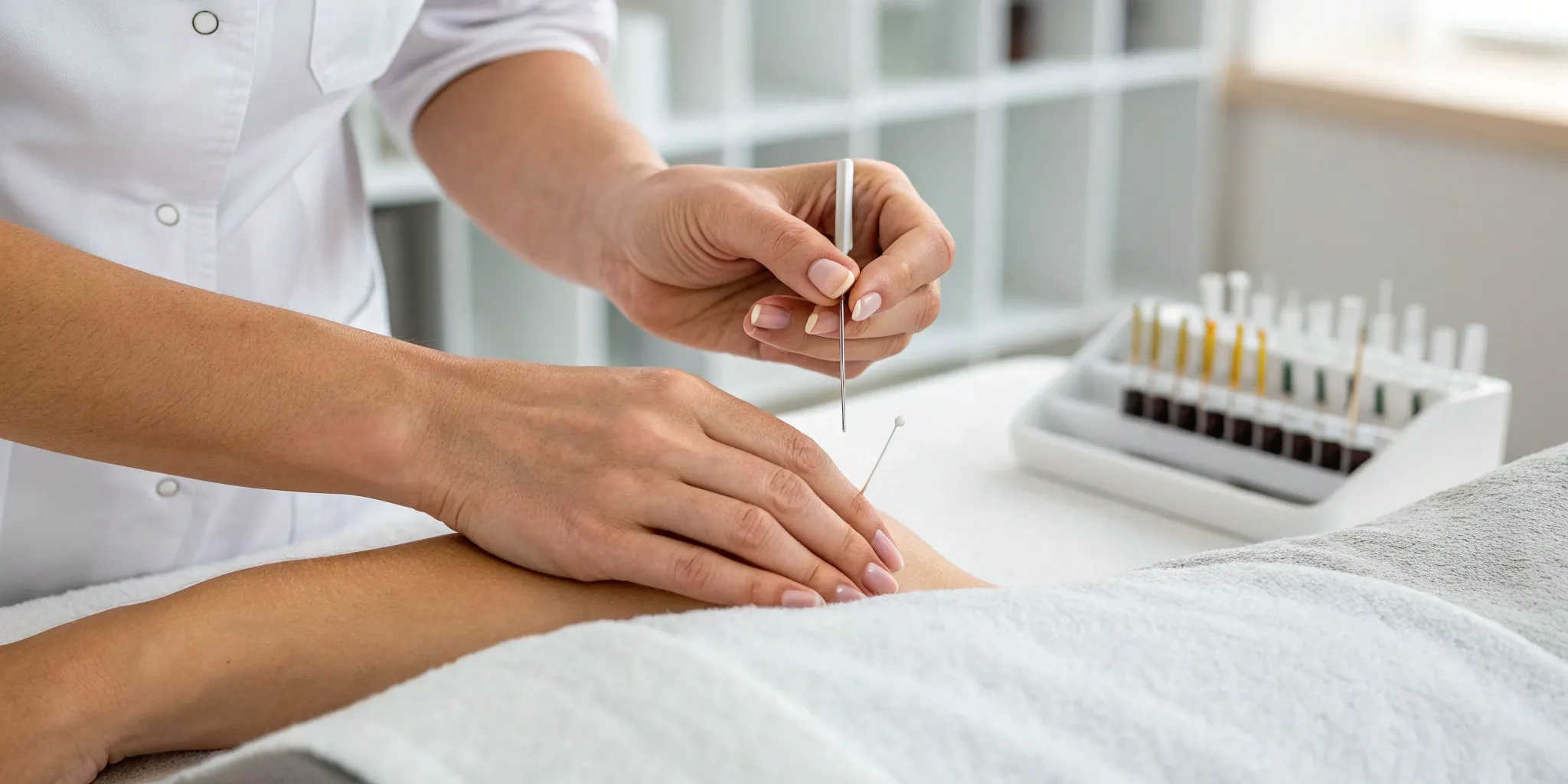
Your first appointment will likely start with a conversation about your health history and specific neuropathy symptoms. Once you're comfortable, the acupuncturist will insert very fine needles—about the thickness of a strand of hair—at specific points on your body. You might feel a mild pinch or a slight tingling sensation, but many people feel nothing at all. Once the needles are in place, you'll rest for about 20-30 minutes. This is when deep relaxation often sets in. Afterward, it's completely normal to feel calm or even a bit sleepy. This is a great sign that your body is responding positively to the treatment.
What Types of Neuropathy Can Acupuncture Treat?
Acupuncture isn't a catch-all solution, but it has shown incredible promise for several specific types of nerve pain. If you're dealing with tingling, numbness, or shooting pains from a chronic condition, this ancient practice might offer a new path toward relief. It’s often used to address nerve damage stemming from underlying health issues, making it a valuable part of a comprehensive care plan for conditions like diabetes or as a supportive therapy during cancer treatment.
Many people turn to acupuncture when they want to manage symptoms without adding more medications to their routine. It works by stimulating specific points on the body to encourage natural healing, reduce inflammation, and improve nerve communication. Whether you're looking for help with Diabetic Care or need support managing the side effects of other treatments, understanding how acupuncture can target your specific type of neuropathy is the first step. It’s about finding a gentle, effective way to improve your quality of life and get back to feeling more like yourself.
Relief for Diabetic Neuropathy
For those managing diabetic neuropathy, the constant tingling, burning, and numbness in the hands and feet can be debilitating. The good news is that acupuncture has been widely studied for this specific condition and shows significant positive results. Research suggests that it can do more than just mask the pain; it may actually help improve nerve conduction and increase blood flow to the affected limbs. By stimulating the body’s own healing mechanisms, acupuncture can help reduce the intensity of your symptoms and restore sensation over time. It’s a supportive therapy that works alongside your existing diabetes management plan to offer a more holistic approach to your well-being.
Support for Chemo-Induced Neuropathy
Going through chemotherapy is tough enough without the added burden of nerve damage. Chemotherapy-induced peripheral neuropathy (CIPN) is a common side effect that can cause severe pain and numbness, making everyday tasks difficult. Leading cancer centers have explored acupuncture as a safe and effective way to manage these symptoms. Studies show that it can provide meaningful relief from CIPN, helping to ease the tingling and pain in the hands and feet. For many, it’s a way to regain a sense of control and comfort during a challenging time, offering a non-pharmaceutical option to improve quality of life during and after treatment.
Easing Chronic Pain from Neuropathy
Beyond specific causes like diabetes or chemotherapy, acupuncture can be a powerful tool for anyone living with chronic nerve pain. Conditions like fibromyalgia or nerve damage from an old injury can leave you in a constant state of discomfort. Acupuncture helps by calming the overactive pain signals that your nerves are sending to your brain. It also triggers the release of endorphins, your body’s natural painkillers. Many people find that a consistent course of treatment reduces their overall pain levels, improves sleep, and restores function. It’s a gentle yet effective therapy that can be integrated into your broader Chronic Pain Care plan.
Is Acupuncture for Neuropathy Safe?
When you’re living with nerve pain, the last thing you want is a treatment that causes more discomfort or comes with a long list of risks. It’s completely normal to wonder if acupuncture is a safe choice for you. The good news is that extensive research and clinical practice show that acupuncture is a very safe procedure when performed by a licensed and qualified professional.
Unlike many medications, it has minimal side effects and can be a gentle way to manage symptoms. Of course, "safe" means something different for everyone, so it’s important to understand the specific considerations for your health and what to expect from the treatment itself.
Important Safety Considerations
For most people, acupuncture is a low-risk therapy. Studies show it has fewer side effects than many medications prescribed for neuropathy. The most common issues are minor, like slight bruising or tenderness where the needles were placed.
However, you should always talk to your doctor before starting any new treatment. It’s especially important to let your acupuncturist know if you have a bleeding disorder or take blood thinners, as the needles could cause some bruising or bleeding. A trained professional will know how to proceed safely. If you need help coordinating these conversations with your healthcare team, a Pairtu patient advocate can make sure everyone is on the same page.
Does It Hurt? Debunking Common Myths
Let’s address the elephant in the room: the needles. If you’re picturing large, painful needles, you can breathe a sigh of relief. A common myth is that acupuncture hurts, but the reality is quite different. Acupuncture needles are incredibly fine—about as thin as a single strand of hair.
Most people report feeling a tiny pinch or a mild tingling sensation as the needle is inserted, but it’s not typically described as painful. In fact, many find the experience deeply relaxing. The goal of the treatment is to relieve neuropathic pain, not create it. Once the needles are in place, you’ll simply rest for a while as the therapy works to calm your nervous system and ease your symptoms.
How to Find the Right Acupuncturist
Finding the right healthcare provider can feel like a job in itself, but it’s one of the most important steps you can take toward feeling better. The connection you have with your acupuncturist and their specific expertise can make all the difference in your treatment experience. You want someone who not only has the right credentials but also understands the nuances of treating nerve pain and makes you feel comfortable and heard. Putting in a little time upfront to research practitioners will help you find a great partner for your health journey.
Think of it as building your personal care team. When you’re managing a chronic condition like neuropathy from diabetes, fibromyalgia, or a stroke, having the right people in your corner is essential. The search can be draining, especially when you're already dealing with symptoms. If the process of finding and vetting specialists feels like too much to handle on your own, a patient advocate can manage the search for you, ensuring you connect with a qualified professional who fits your specific needs and understands your health history.
What to Look For in a Practitioner
First and foremost, always choose a licensed acupuncturist. This is non-negotiable, as licensing ensures the practitioner has met strict educational and safety standards, including the use of clean, sterile needles. You can look for someone who is licensed by your state or certified by a national organization like the NCCAOM. Beyond credentials, look for a practitioner who has experience treating neuropathy. Check their website for information or simply ask when you call. Reading patient reviews can also give you a sense of their approach and success in treating nerve-related issues, helping you find someone who is a good match for your personality and health goals.
Key Questions to Ask Before You Book
Once you have a shortlist of potential practitioners, it’s a good idea to ask a few questions before committing to an appointment. This helps you gauge if they’re the right fit for you and your specific situation.
Consider asking:
- What is your experience treating neuropathy specifically?
- What techniques do you typically use for nerve-related conditions?
- How many sessions do you usually recommend for someone with my symptoms?
Their answers will give you a clearer picture of their expertise and what to expect from treatment. You want a practitioner who can confidently explain their plan and help you feel optimistic and informed about the path forward.
Using Acupuncture with Your Current Treatment Plan
Thinking about adding acupuncture to your routine is a great step, but it’s important to see it as one piece of your overall health puzzle. Acupuncture often works best when it’s part of a comprehensive approach to managing your symptoms. It’s not about replacing your current treatments but enhancing them. By integrating acupuncture thoughtfully, you can create a more holistic plan for your well-being.
This is especially true if you’re managing a chronic condition like diabetes or fibromyalgia. The key is to make sure all your treatments work together seamlessly. A patient advocate can be incredibly helpful here, ensuring every member of your care team is on the same page and that your treatment plan is truly coordinated.
Pairing Acupuncture with Other Therapies
Acupuncture is a powerful tool, but it shines brightest when combined with other healthy habits. Many practitioners find that its benefits are amplified by positive lifestyle changes like a balanced diet and regular, gentle exercise. For many people dealing with nerve pain, acupuncture becomes a go-to option when conventional medications haven’t provided enough relief.
Think of it as a supportive therapy. It can help manage pain and improve nerve function, especially when used alongside your existing treatments. Whether you’re looking for Chronic Pain Care or support for chemo-induced neuropathy, adding acupuncture can offer another layer of relief without interfering with your primary medical care. It’s all about building a multi-faceted approach to feeling your best.
Keeping Your Healthcare Team in the Loop
Before you book your first appointment, it’s essential to talk to your doctor. Open communication ensures that everyone on your healthcare team is aware of your plans and can offer the best advice for your specific situation. Your doctor can help you determine if acupuncture is a good fit and can work in harmony with your other treatments for conditions like COPD or post-stroke symptoms.
It’s also vital to choose a licensed acupuncturist to ensure your sessions are both safe and effective. A qualified practitioner will use sterile, single-use needles to prevent any risk of infection. If coordinating these conversations feels overwhelming, remember that help is available. You can talk to an advocate who can manage communication between your doctors and specialists, making sure your care is connected and complete.
Will Insurance Cover Acupuncture for Neuropathy?
Acupuncture is gaining recognition as a helpful treatment for neuropathy, but one of the biggest questions is often about the cost: Will insurance help pay for it? The answer can be complicated, as coverage varies quite a bit depending on your specific plan. Getting clear on what your insurance will and won't cover is a crucial first step before you book any appointments. It helps you plan financially and avoid any surprise expenses down the road. Let's break down what you need to know, especially if you have Medicare.
Understanding Your Medicare Benefits
If you have Original Medicare, it's important to know that it typically only covers acupuncture for chronic lower back pain. As of now, neuropathy is not on the list of covered conditions. However, don't let that discourage you just yet. Many people have Medicare Advantage plans (also known as Part C), which are offered by private companies. These plans often provide broader coverage than Original Medicare and may include benefits for acupuncture to treat conditions like neuropathy. Because each Medicare Advantage plan is different, you’ll need to look into the specifics of your own policy to see what’s included.
How to Check Your Coverage
The best way to get a straight answer is to contact your insurance provider directly. Call the member services number on the back of your insurance card and ask specifically about coverage for acupuncture to treat neuropathy. Some plans may require a referral from your doctor or evidence that other treatments haven't worked. If you find the process of figuring out your benefits overwhelming, you're not alone. Working with a patient advocate can make a world of difference. An advocate can help you understand your plan’s details and ensure you’re getting all the Medicare benefits you’re entitled to.
Frequently Asked Questions
How soon can I expect to feel relief from my neuropathy symptoms? While some people notice a subtle improvement after just one or two sessions, acupuncture works cumulatively. Think of it as a process of re-training your nervous system. The most significant and lasting benefits typically build over a series of consistent treatments, which is why most practitioners recommend an initial plan of weekly sessions.
Is acupuncture a replacement for my current neuropathy treatments from my doctor? Not at all. It’s best to think of acupuncture as a complementary therapy that works alongside your current medical care. It’s a powerful tool for managing symptoms like pain and tingling, but it isn't a substitute for the treatment plan your doctor has prescribed, especially for underlying conditions like diabetes. Always keep your entire healthcare team informed about any new therapies you're trying.
I’m nervous about the needles. What does it really feel like? This is by far the most common concern, and it’s completely understandable. The reality is that acupuncture needles are incredibly fine—about the thickness of a strand of hair. You might feel a tiny pinch or a slight tingling sensation when a needle is first inserted, but it’s not the sharp pain you’d associate with a shot. Most people are surprised by how gentle it is and find the session deeply relaxing.
Are there any side effects I should know about? Acupuncture is known for being a very low-risk treatment with minimal side effects. The most common reactions are minor, such as slight bruising, tenderness, or a drop of blood at the needle site. Many people report feeling very calm or even a bit sleepy after a session, which is a positive sign that your body is responding to the therapy.
What if my Medicare plan doesn't cover acupuncture for neuropathy? It's true that Original Medicare only covers acupuncture for chronic low back pain right now. However, many private Medicare Advantage plans offer additional benefits that may include coverage for other conditions. The first step is to call your insurance provider directly to ask about your specific plan. If that feels like a difficult task, a patient advocate can help you understand your benefits and explore all your care options.

